
The Orientation Shift
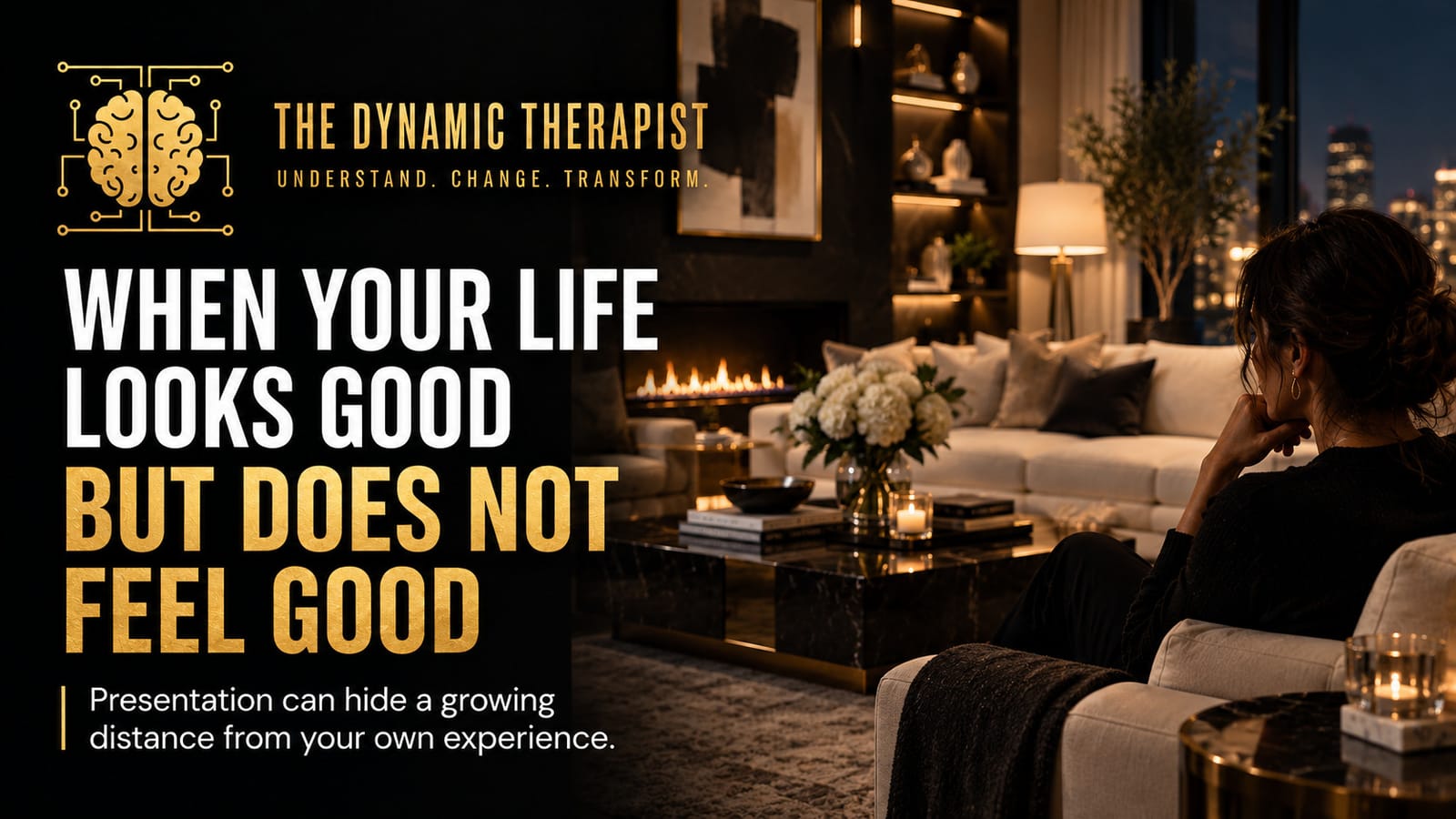
There is a particular kind of life that is organised primarily around its own appearance: the choices made partly or primarily on the basis of how they will look rather than how they will feel, the experiences had partly for the documentation rather than the experience itself, the decisions shaped as much by other people's likely assessment as by genuine preference.
This orientation is not new. Humans have always cared about how they appear to others — social standing, reputation and the management of others' perceptions have been features of human social life for as long as there have been human social lives. What social media has done is dramatically amplified this orientation and made it continuously active rather than episodic.
The costs of living primarily for appearance rather than experience are specific, cumulative and worth examining.
The Specific Costs
The experience you did not have
The photograph of the sunset was taken. The caption was written. The post went up. The sunset itself was experienced through a screen and a decision-making process about framing, timing and caption. The direct experience of standing in front of something beautiful and simply being there — without documentation, without the performative dimension — was substantially reduced by the documentation process.
Research on the effect of photography on memory and experience is counterintuitive: taking photographs of experiences does not reliably enhance memory of them and in some cases reduces it, because the camera-wielding reduces the depth of engagement with the actual experience. The photograph replaces rather than records the memory.
The decision you made for the wrong reasons
The restaurant chosen partly for its photogenic quality rather than the food. The holiday destination partly for the aspirational value of the location rather than what you actually wanted from a holiday. The relationship presented publicly before it was ready because the presentation felt important. The career choice shaped partly by how it would sound rather than how it would feel. These are not dramatic betrayals of self. They are ordinary, subtle, cumulative distortions of decision-making produced by the continuous presence of an audience.
The authentic self that went unexercised
Sustained performance of a version of yourself — calibrated for an audience rather than expressed from the inside — gradually distances you from the version of yourself that exists when nobody is watching. The opinions that are not expressed because they do not serve the persona. The interests that are not pursued because they do not fit the brand. The difficulties that are not acknowledged because they undermine the image.
The self that goes unexercised atrophies. People who have oriented their lives primarily around appearance for extended periods often describe a specific disconnection from their own genuine experience — a difficulty knowing what they actually think, feel or want independent of how it would appear.
Two Examples
The experience that was for the post
At the concert, Rachel spent the first three songs getting the right photograph and video for her story. By the time she put her phone away, the moment had passed. She had documentation of being at the concert. She had not fully been at the concert. She could not quite identify what felt missing from the evening.
The life that looks right but does not feel right
From the outside, Mark has built exactly what the standard suggests he should have. The career that sounds impressive, the relationship that photographs well, the lifestyle that generates the right kind of social media presence. He is not unhappy in any acute way. He is also not genuinely satisfied in a way he can locate. He suspects the problem is with him — that he should feel better about what he has. The problem is not with him. It is with the standard he built towards, which was not his own.
How to Reorient
The reorientation is not dramatic. It does not require abandoning social media or renouncing all interest in how you appear to others. It requires a gradual, deliberate shift in the primary question from 'how will this look?' to 'how will this feel?' — and then trusting the answer even when it points somewhere less photographable.
Concretely: choose the restaurant you actually want to eat at. Take the holiday you actually want to take. Post the photograph of the moment that mattered rather than the moment that looks best. Have the opinion you actually hold rather than the one that plays well. Acknowledge the difficulty you are actually experiencing rather than the triumph that manages perception.
These are small choices. Over time, their cumulative effect is a life that is increasingly oriented towards genuine experience rather than its appearance — and that tends to feel significantly better to live in.
Three Reflection Questions
- Can you identify a decision you made in the past month that was shaped significantly by how it would appear rather than how it would feel — and what would the alternative have looked like?
- Is there an aspect of your life that you present publicly as better than it actually is — and what is the cost of maintaining that presentation?
- What would you do differently this week if you were certain nobody was watching?
Key Takeaways
- Social media amplifies the natural human orientation towards appearance and makes it continuously active rather than episodic.
- The costs are specific: reduced depth of experience, decision-making distorted by audience, and gradual disconnection from the authentic self.
- Research suggests photography reduces rather than enhances the depth of engagement with experiences.
- The reorientation does not require abandoning all appearance concerns — it requires shifting the primary question from how it looks to how it feels.
- Small, cumulative choices towards genuine experience over its appearance produce measurably better outcomes over time.
Frequently Asked Questions
Is it wrong to want your life to look good?
No. The desire for approval and positive social presentation is normal and human. The problem is when it becomes the primary orientation — when appearance consistently overrides experience as the decision-making criterion.
What about people for whom online presence is professionally important?
Then the management of appearance is a legitimate professional activity that is worth doing well. The key is maintaining the distinction between the professional activity of managing your online presence and the personal activity of living your actual life — and not letting the former consume the latter.
What if I genuinely enjoy sharing my life online?
Genuine enjoyment of sharing — as distinct from the compulsive performance of a version of yourself — is a real thing and not problematic. The distinction is in whether the sharing enhances or reduces the depth of the experience being shared.
Can you recover the authentic self after a long period of performance?
Yes. The authentic self is not destroyed by performance — it is suppressed and underexercised. Recovery involves gradually creating contexts in which genuine expression is possible and safe, and noticing what emerges when the performative pressure is reduced.
Can Simon help with this?
Yes. The gap between the performed self and the authentic one, and the process of closing it, is central to the therapeutic and coaching work.
The Life That Feels Good Is Available to You
It is just less photogenic than the one you have been building. That is fine. Nobody has to see it. You just have to live in it.
Simon Taylor helps people reorient from appearance to genuine experience. A Free 30-Minute Consultation is a good place to begin.
Book Your Free 30-Minute Consultation | Get The Little Book of Big Changes